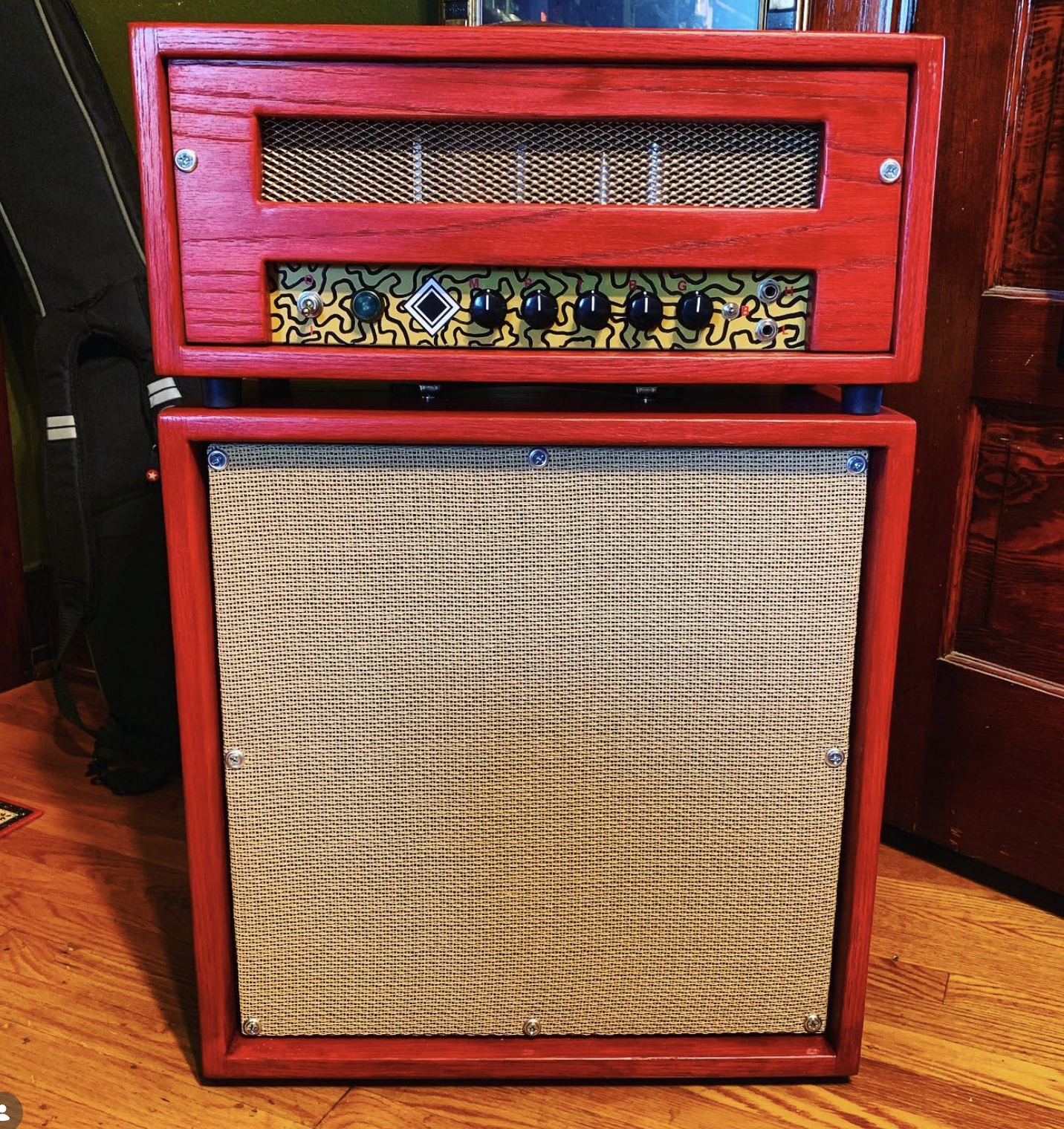
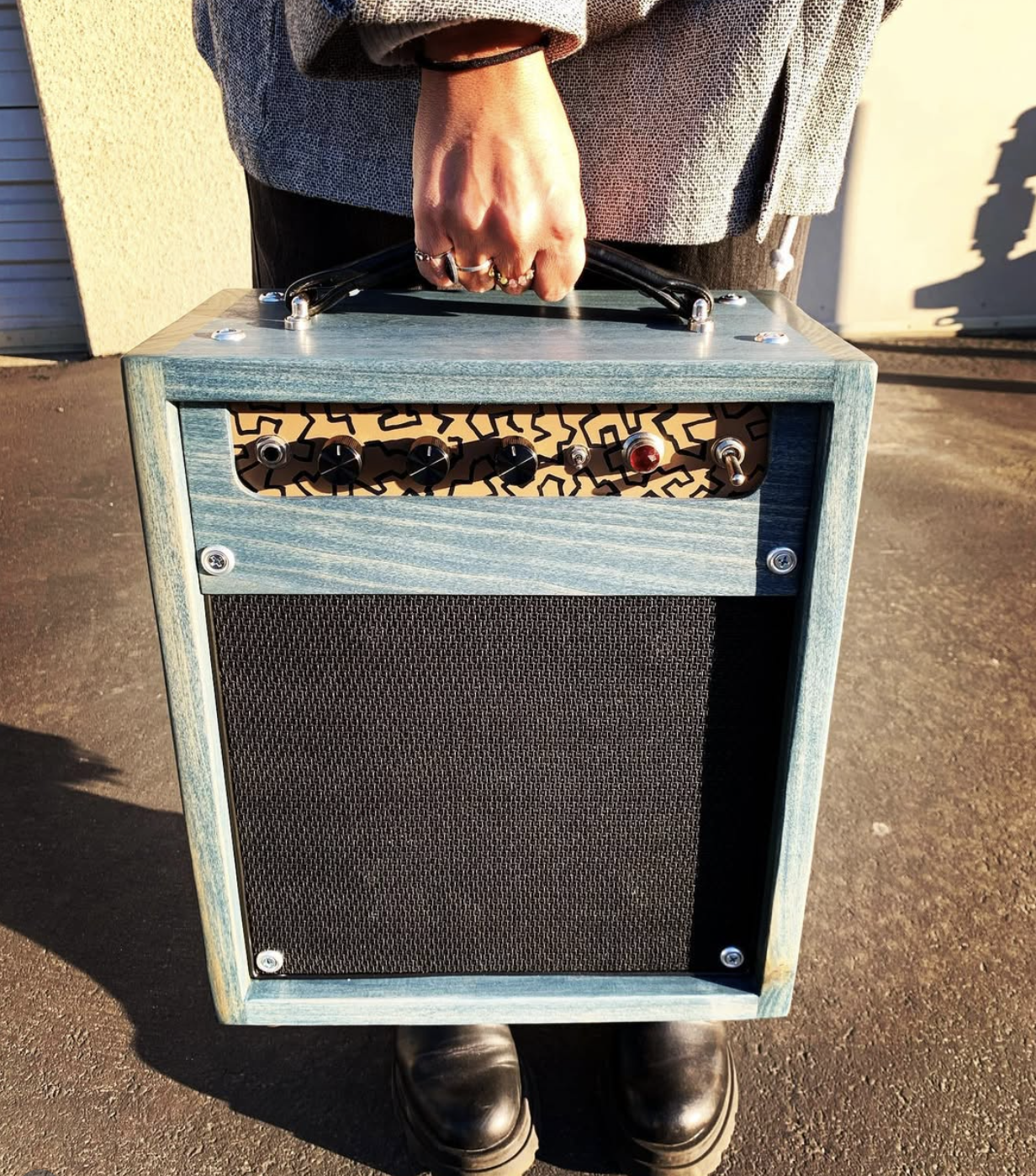
- Concept & Circuit Development —
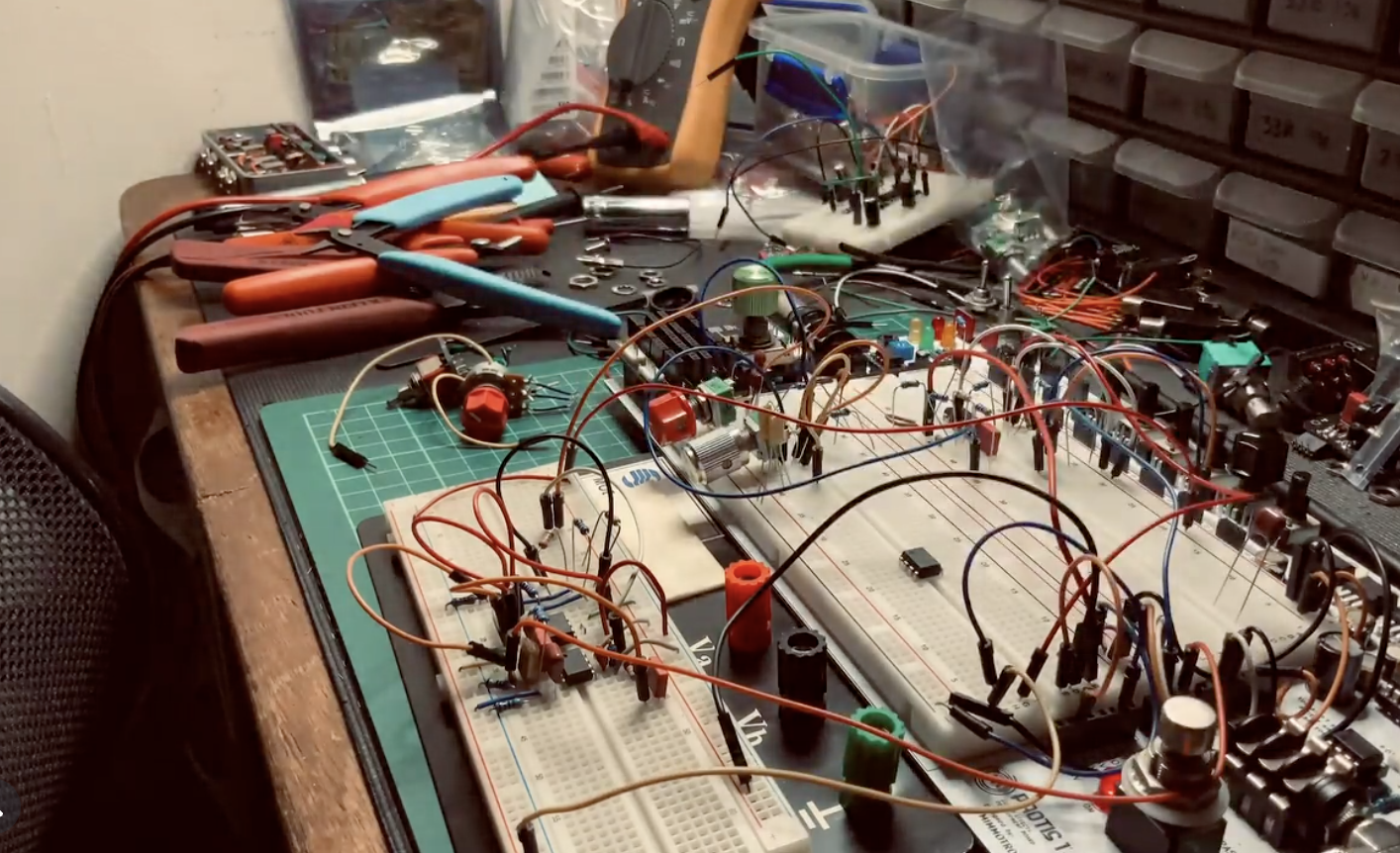
Every Stacks FX circuit begins with an idea. I typically start by sketching rough circuit concepts and schematics by hand before moving to a breadboard, where I can experiment with component values and circuit topology in real time.
With a guitar connected throughout development, I evaluate how each change affects the circuit and continue refining and troubleshooting until the foundation is working the way I envisioned. From there, I begin refining the controls—deciding which parameters should be adjustable, determining useful ranges, and considering how the player will ultimately interact with the finished product.
- Schematic & PCB Design —
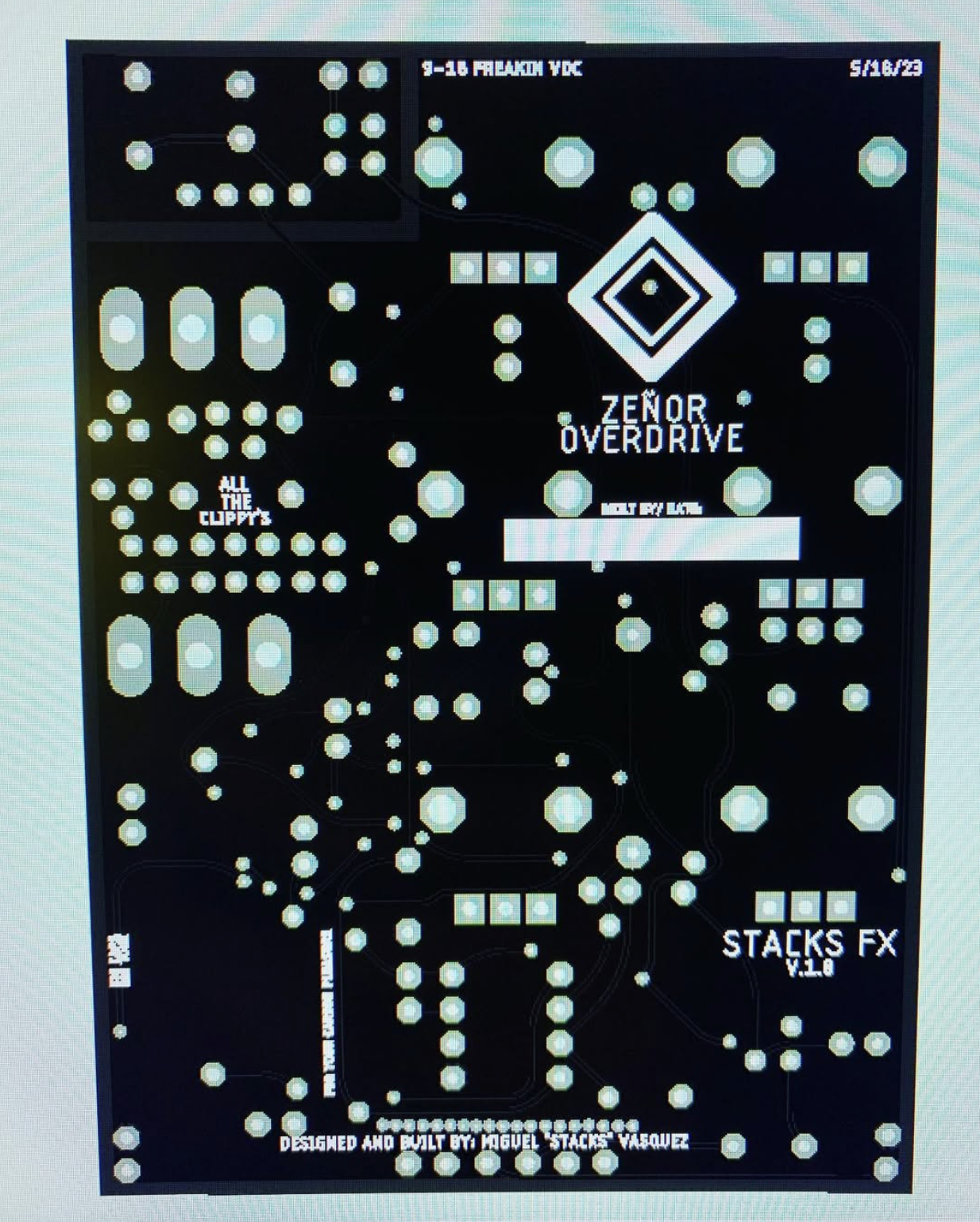
Once the circuit and control set are finalized, I create a finished schematic and transfer the design into Autodesk Eagle. I maintain manufacturer-specific component libraries so the components used in the design correspond to the actual parts I intend to source and manufacture with, allowing me to generate accurate bills of materials directly from the design.
PCB layout is developed around both electrical and mechanical requirements. Enclosure dimensions, component footprints, PCB-mounted controls, switches and other physical constraints are considered from the beginning so that the finished board integrates cleanly into the final product. I continually refine the layout before generating the Gerber files used for PCB fabrication.
- PCB Fabrication & Inspection —
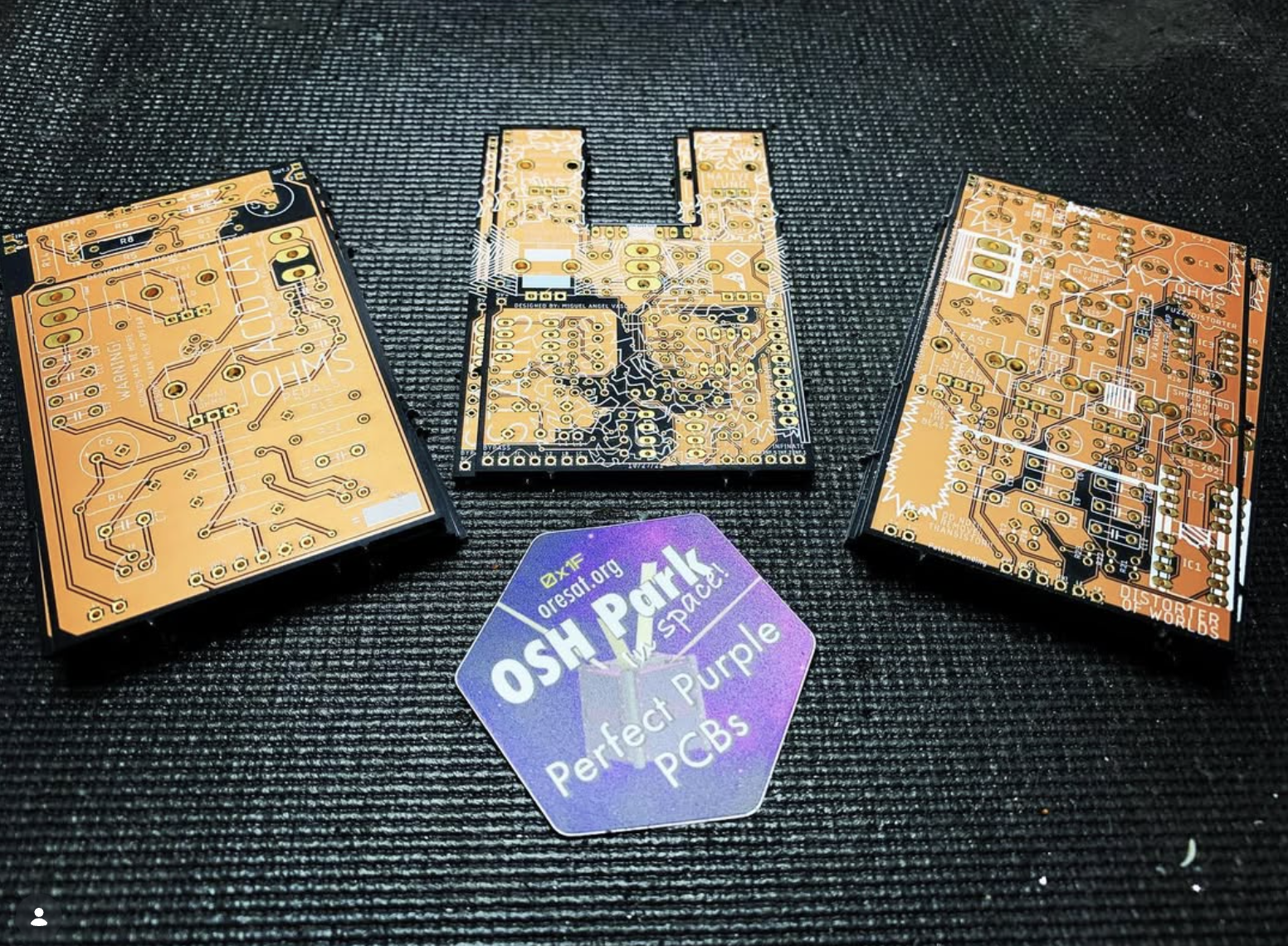
Once the PCB design is finalized, I generate the Gerber files needed for fabrication and send the design out for manufacturing. When the finished boards arrive, I inspect them before beginning assembly rather than assuming every board is ready to use.
Using a multimeter, I check continuity and resistance across critical traces, vias, ground planes, and other points in the circuit to verify the board was manufactured correctly. Catching a problem at this stage prevents unnecessary time and components from being invested in a board that may ultimately need to be rejected.
- Assembly & Production —
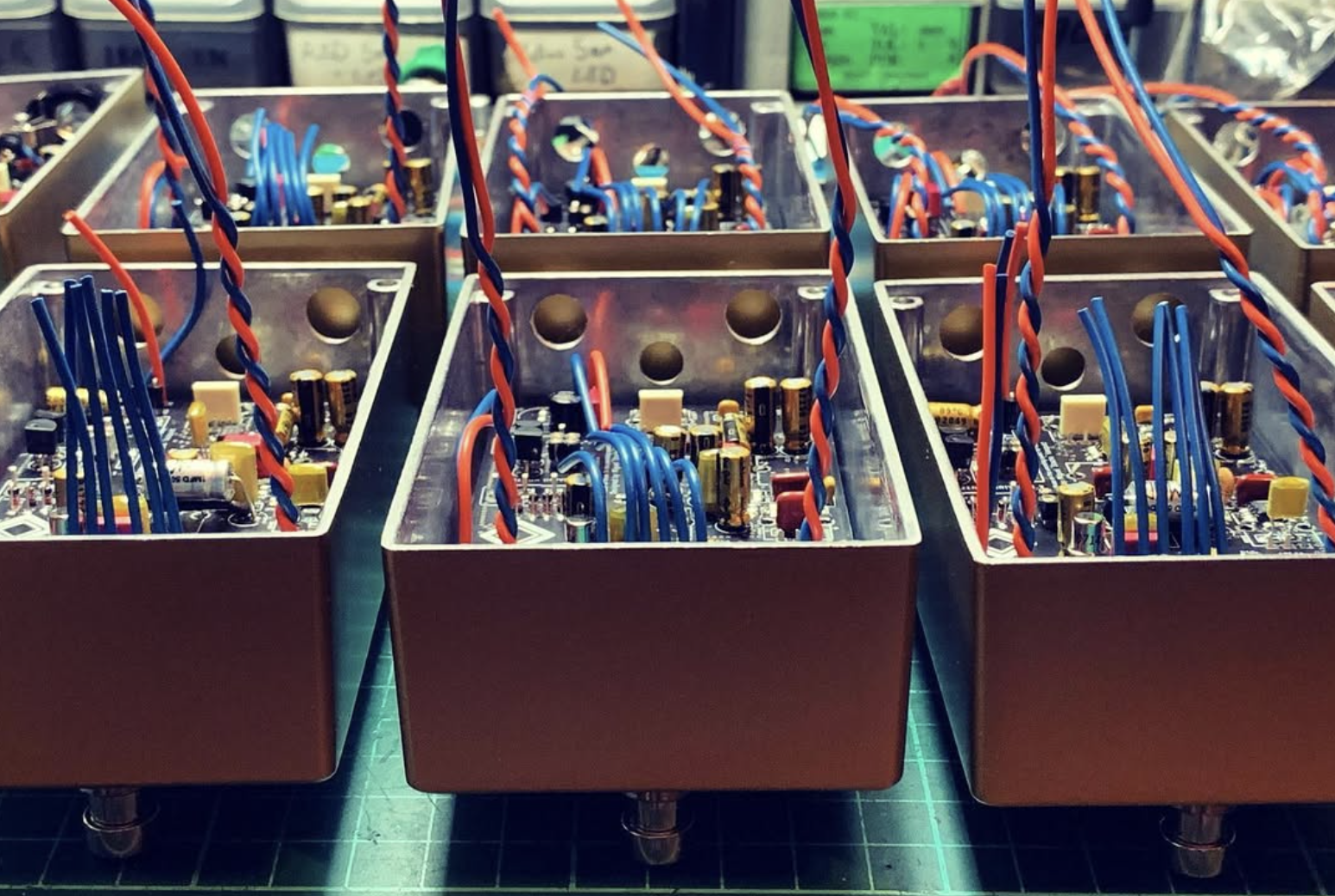
Once the PCBs pass inspection, each board is populated and soldered by hand. I typically produce pedals in batches of 10–20 units and organize the assembly process by component and operation—for example, installing the same resistor value across an entire batch before moving on to the next value. This helps keep the process efficient and consistent from one unit to the next.
Components are installed in a deliberate sequence, followed by PCB-mounted controls and switches. Leads are trimmed and inspected to prevent shorts before everything is carefully soldered into place. Wiring is measured and prepared for each design before the PCB is integrated with the enclosure and remaining hardware.
I continually refine the assembly process as I build. If changing the sequence of an operation, component placement, PCB layout, or another design detail can make production more reliable or efficient, that improvement is incorporated into future production runs.
- Testing & Continuous Improvement —
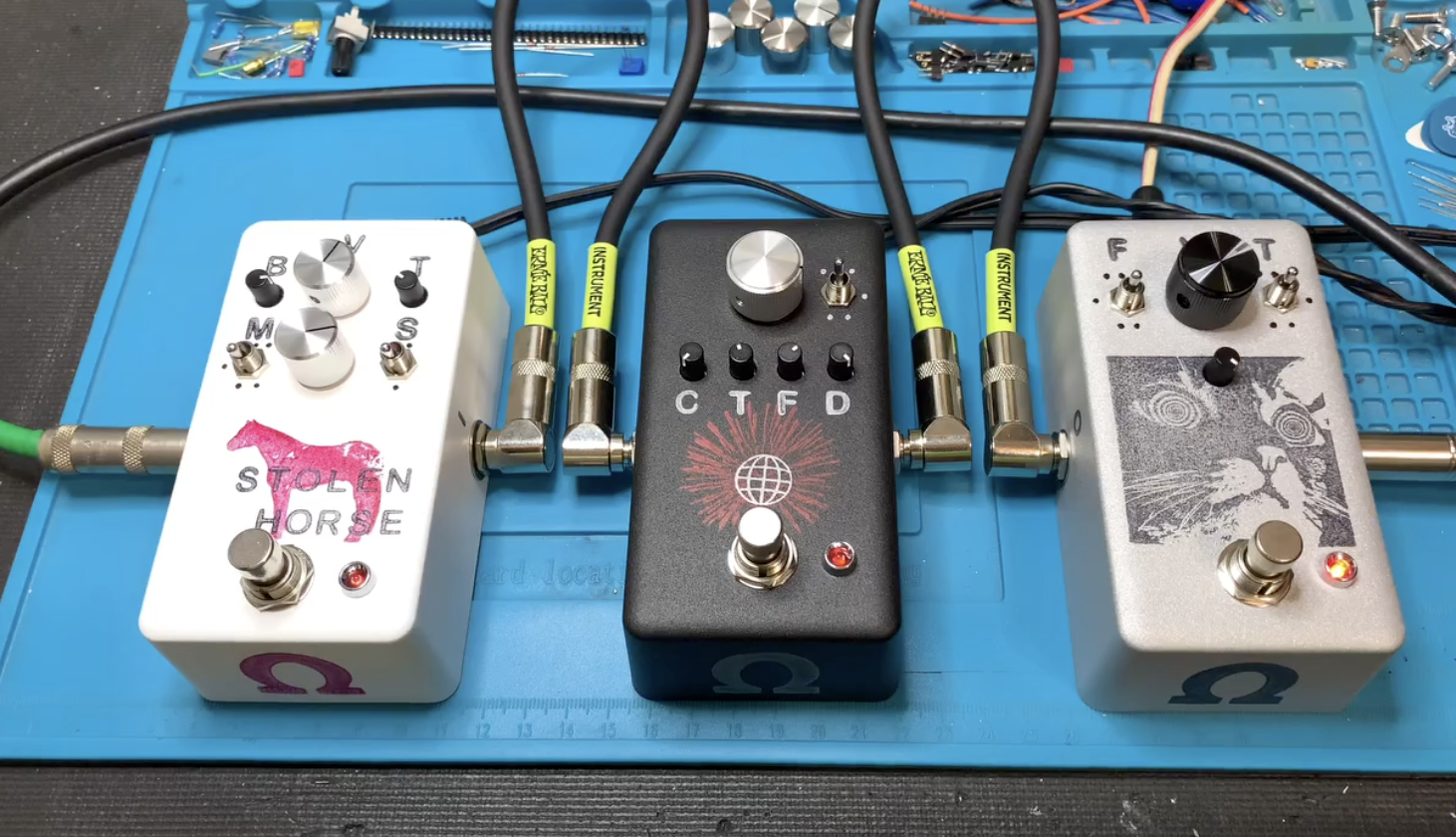
Every finished pedal is individually tested before it leaves my shop. I begin with electrical checks and then perform a complete functional test with an instrument, evaluating every control and switch just as I did during development of the original prototype.
If something isn't behaving correctly, troubleshooting begins with a visual inspection before moving into electrical testing with a multimeter and tracing the circuit against the schematic. Sometimes the problem is as simple as an incorrect connection; other times it reveals something that can be improved in the design or assembly process.
When a problem points to a larger issue, I don't just repair the individual unit. I document what I've learned and incorporate the correction into the next PCB revision or production batch. If a batch of PCBs doesn't meet the standard I want for the finished product, I'll reject it rather than compromise the reliability of something a musician may depend on during a performance.
- Finished Product —
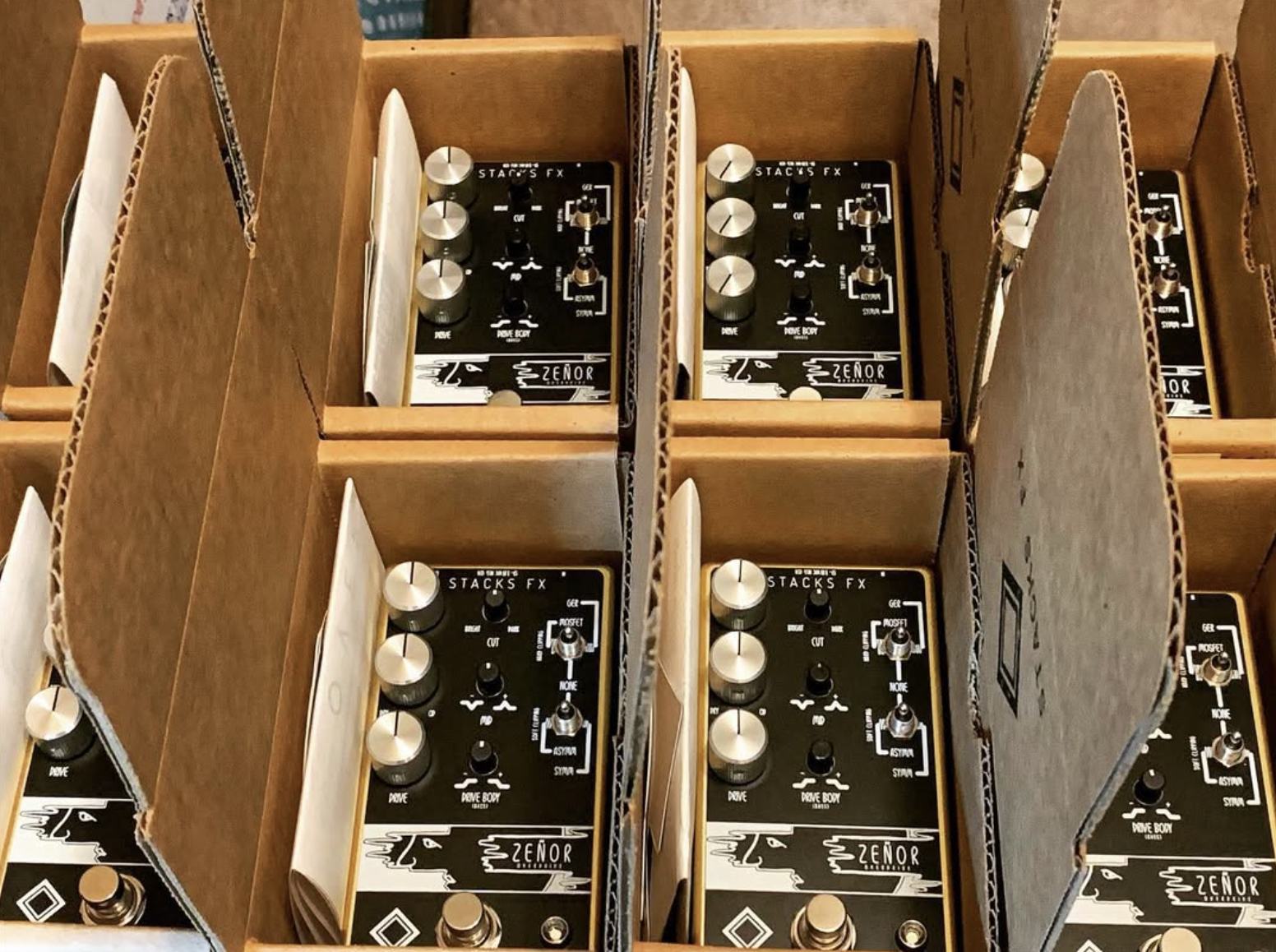
Once a design has been electrically and functionally validated, I turn my attention back to the complete user experience. Control labels, graphics, color, documentation, enclosure finish, and final presentation are all developed around the same goal as the circuit itself: creating something that is intuitive to use, reliable, and enjoyable to play.
Every Stacks FX pedal is the result of a process I manage from beginning to end—from the first pencil sketch and breadboard experiment through schematic and PCB design, component sourcing, fabrication, assembly, troubleshooting, testing, and final presentation.
The finished pedal is the last step in a process that begins with an idea and ends with a product I'm comfortable putting my name on.
Custom Amplifiers & Fabrication.
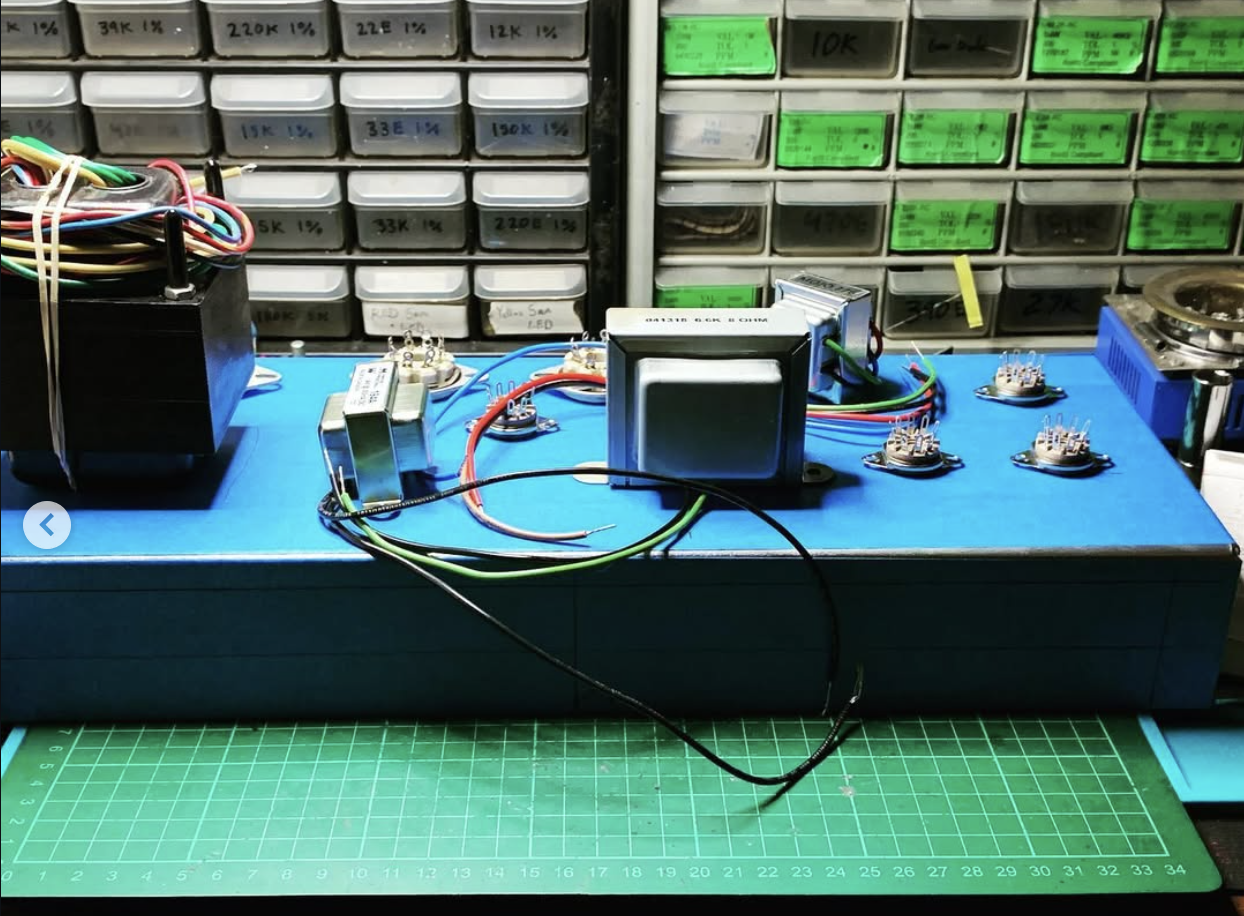
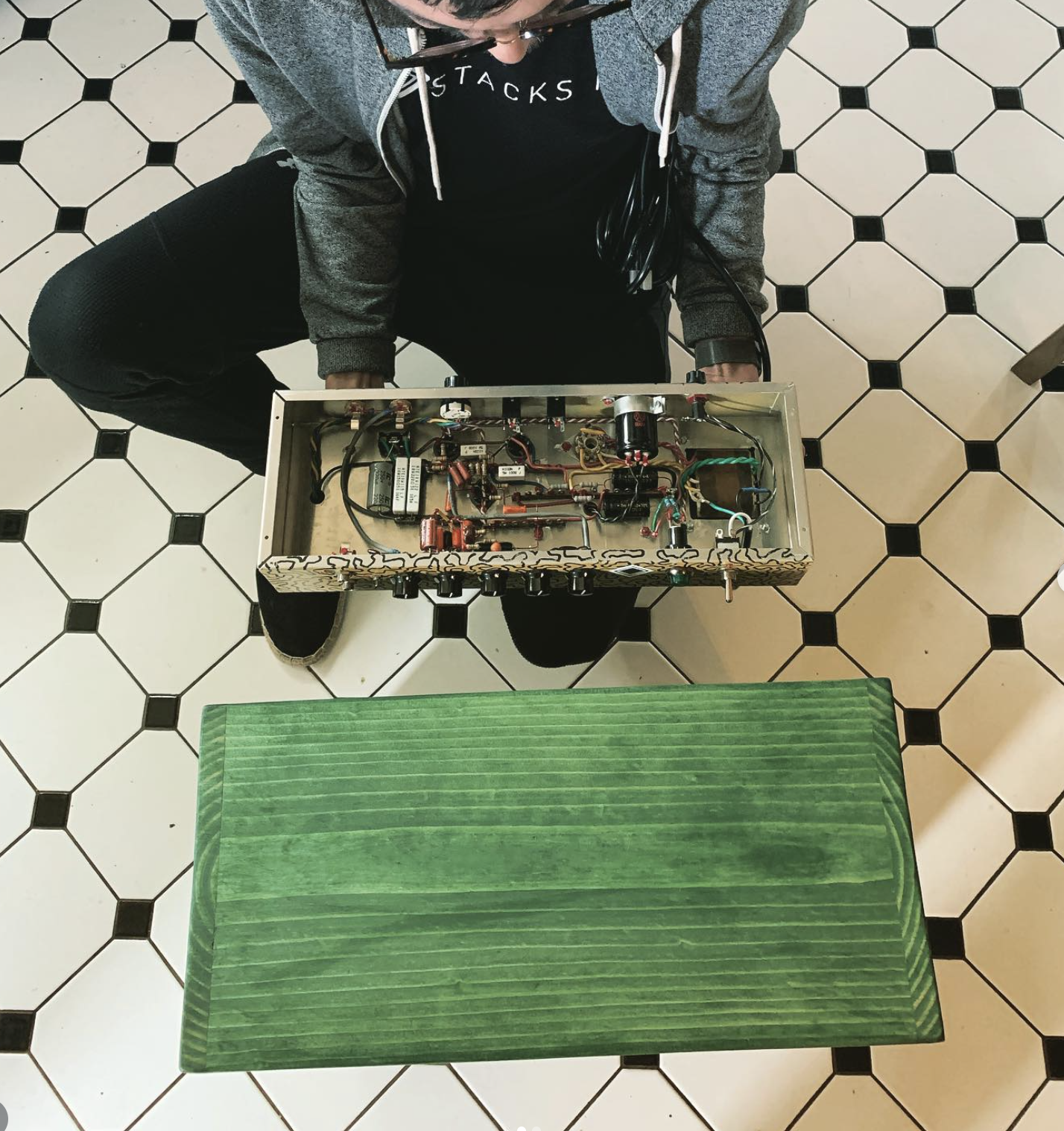
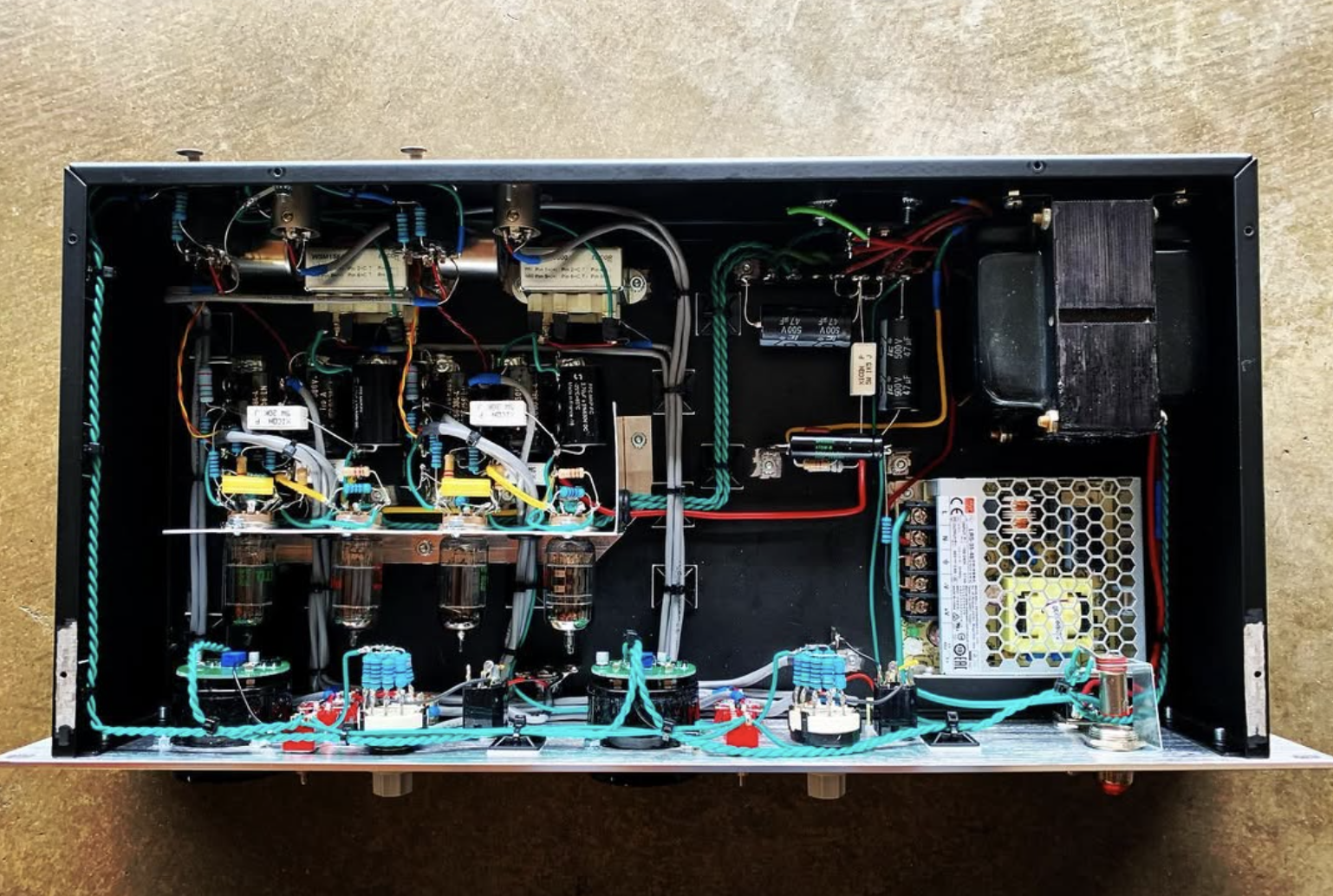
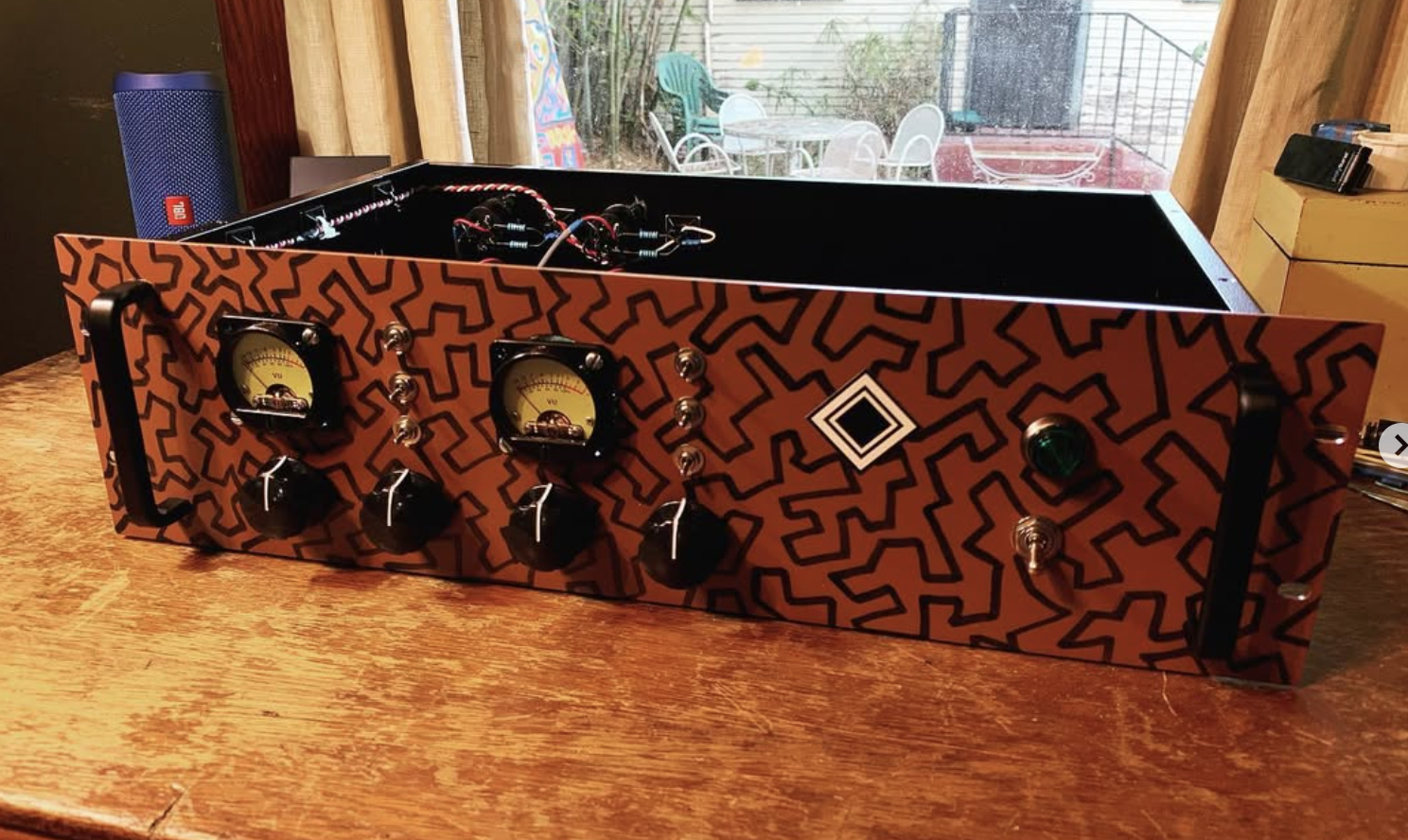
In addition to pedals, I design and build custom vacuum-tube amplifiers from the ground up. Each project begins with an idea and a hand-drawn schematic, sometimes combining elements from different amplifier architectures to create something specifically suited to the player.
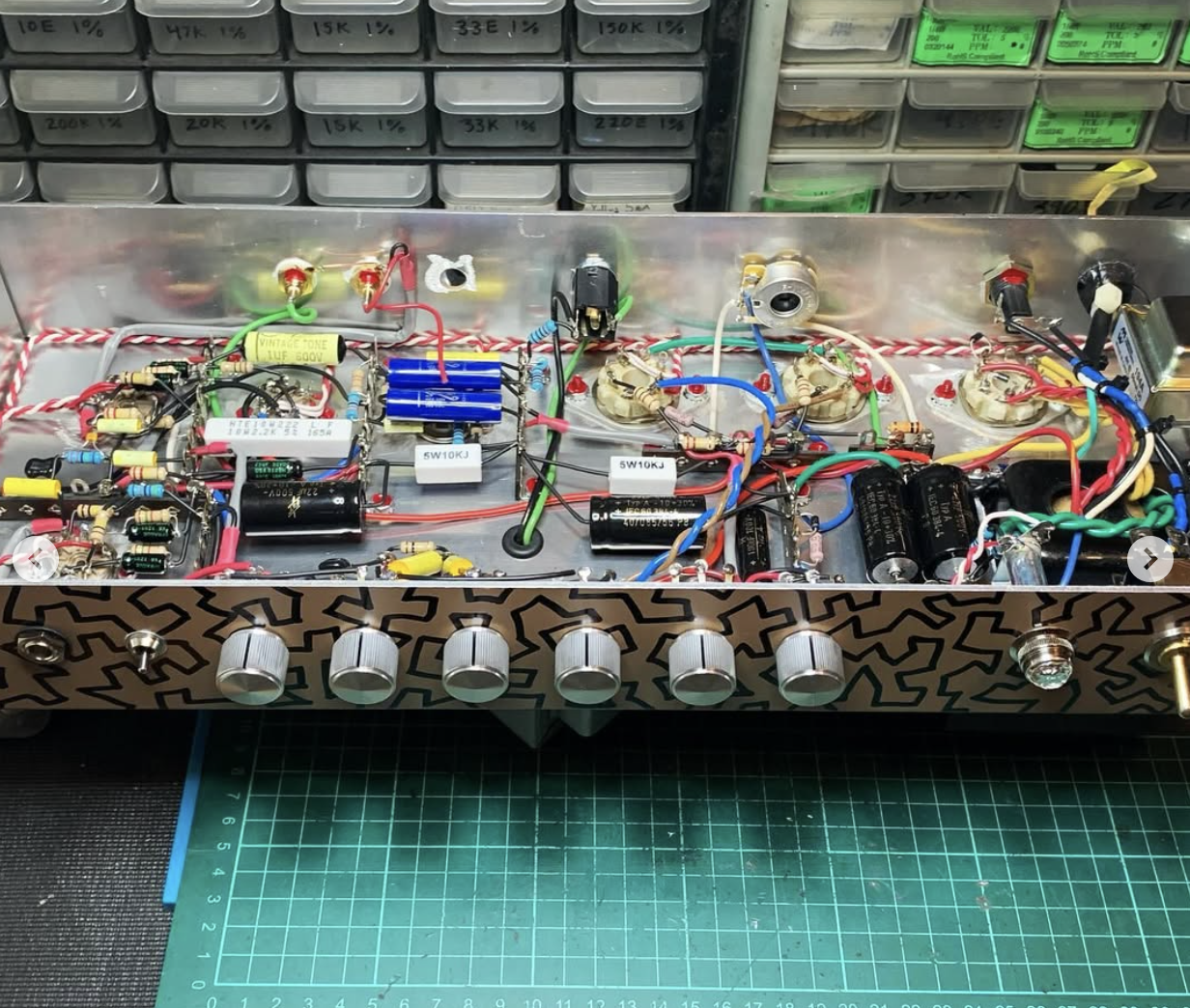
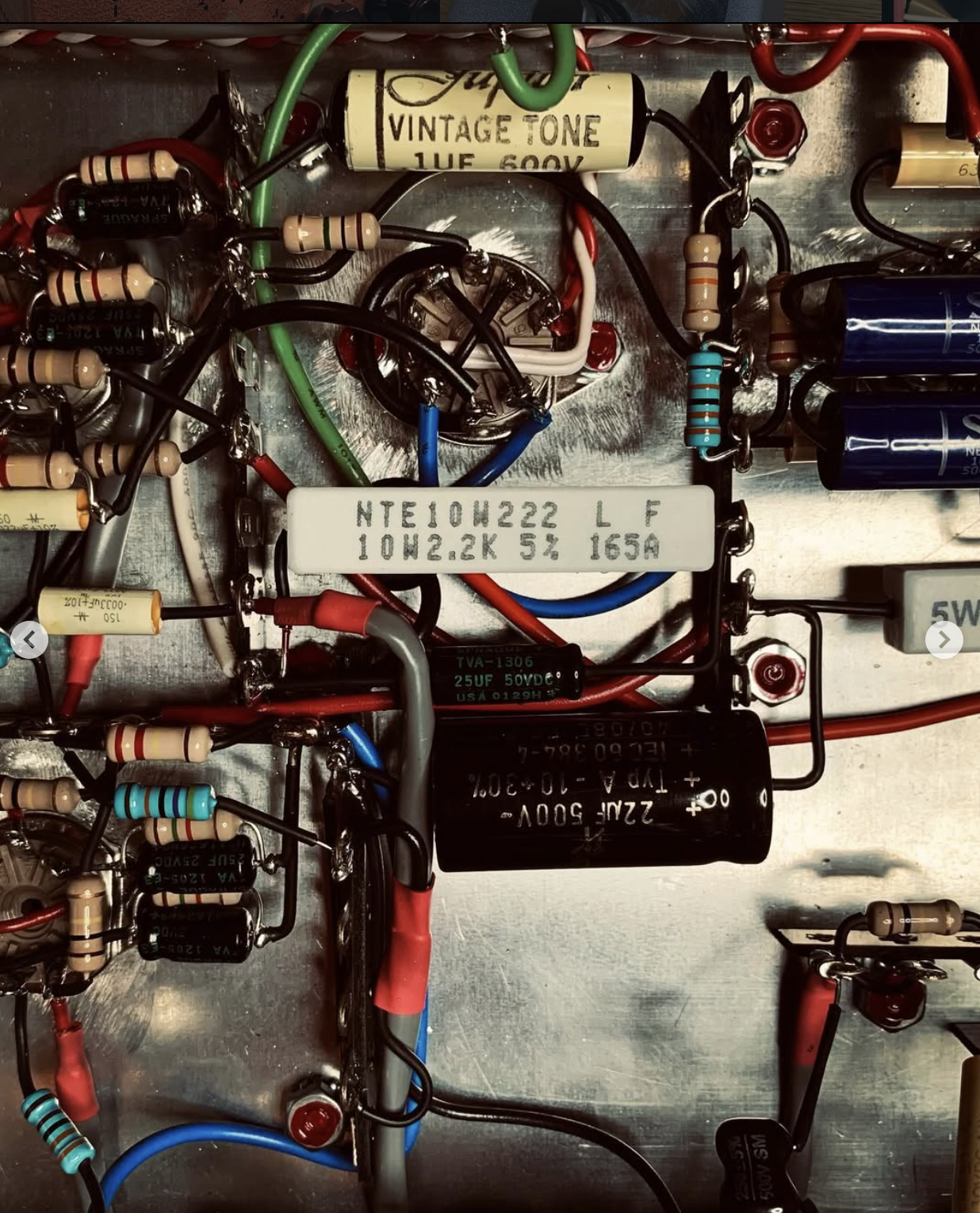
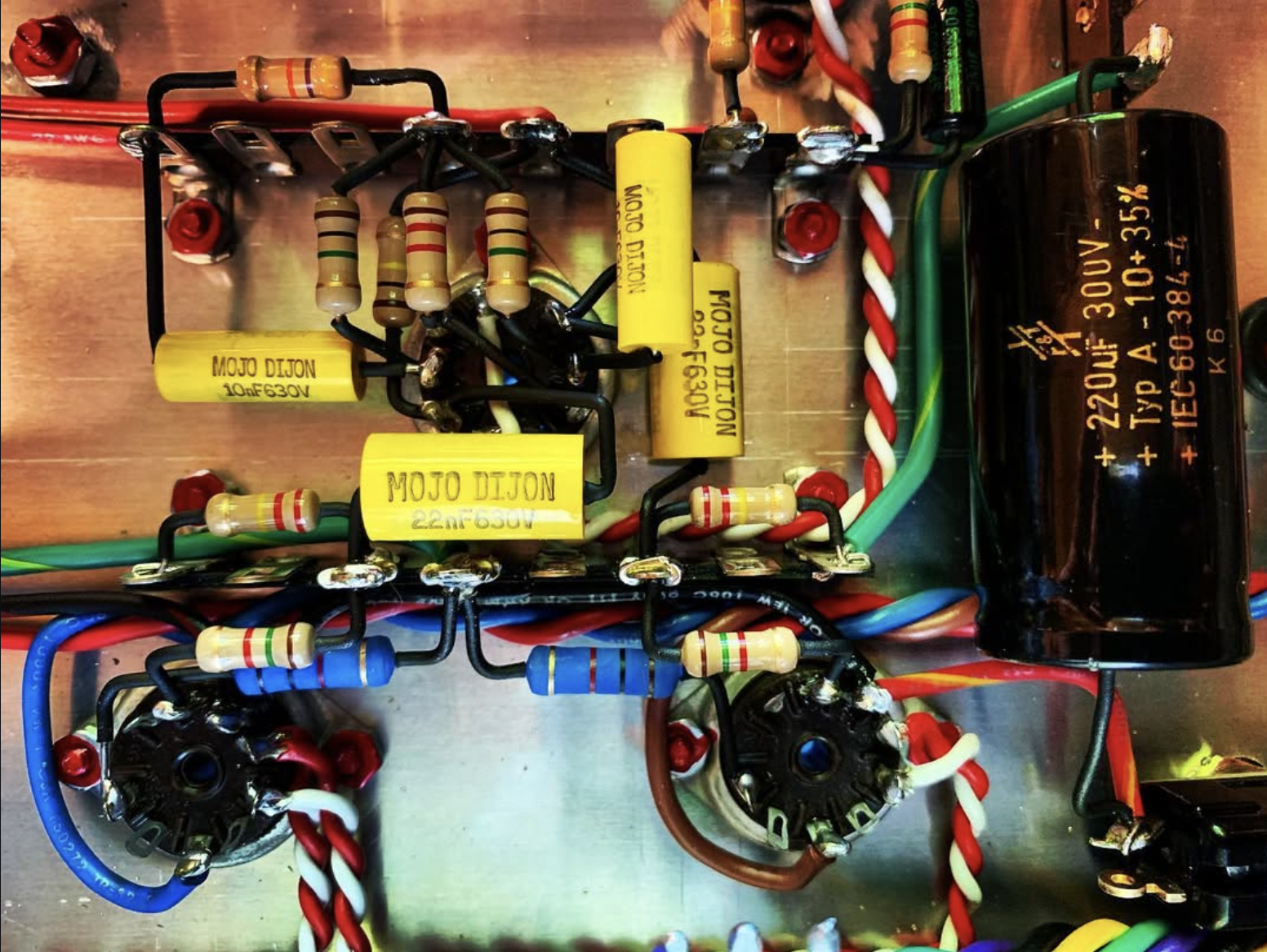
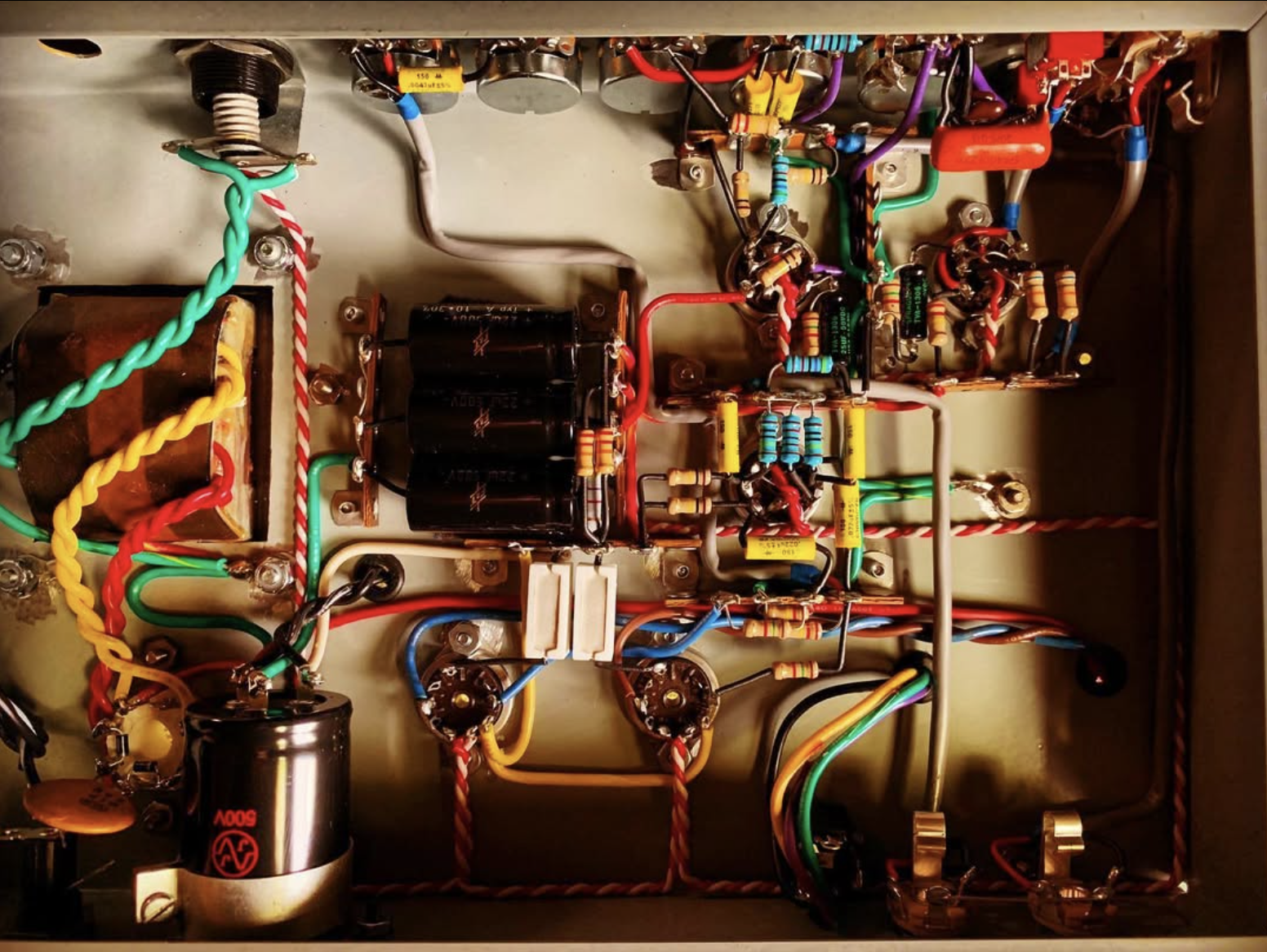
I develop the physical layout around the electrical requirements of the circuit and fabricate the chassis with the help of a local metal shop. I prefer point-to-point construction, which gives me direct control over component placement, grounding, lead dress, and wire routing while allowing the craftsmanship of the build to remain visible.
Once assembly is complete, I carefully inspect every solder joint and verify the finished circuit against the schematic. Initial power-up is performed gradually with a Variac while monitoring voltages throughout the power supply before moving on to functional testing and troubleshooting.
I also build the wooden cabinets by hand, selecting the material and determining dimensions based on the chassis, speaker configuration, and intended use. From cutting and sanding to staining, finishing, and final assembly, I approach the mechanical construction with the same philosophy I bring to the electronics: build it carefully, build it cleanly, and build it to last.